Smartphone Display Screen Types
3339
views
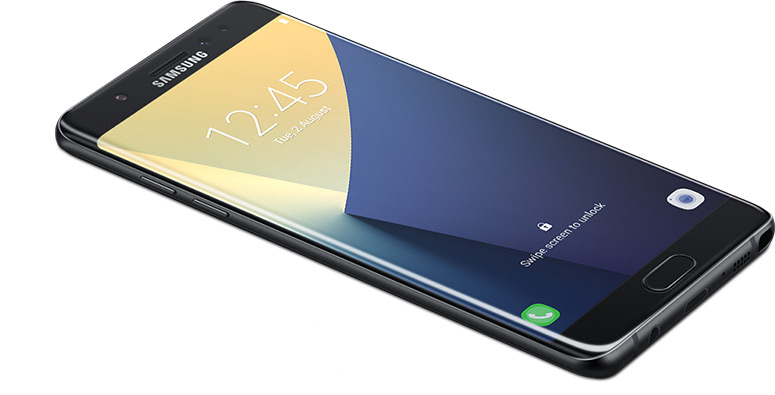
Display screen is an important component of the smartphone. It is the module through which the user interacts with the smartphone. The overall look of the smartphone lot depends on the design and type of display screen. Display screen of smartphone conveys a positive or negative impact on the user about the phone. The importance of display screen have forced the phone manufacturers to bring better and advanced display screen in the market. Currently, different types of display screens have been used in the smartphones by the manufacturers. Some of them are technology names and some are given to them by different smartphone brands. Here are the brief description of display types and technologies.
LCD:
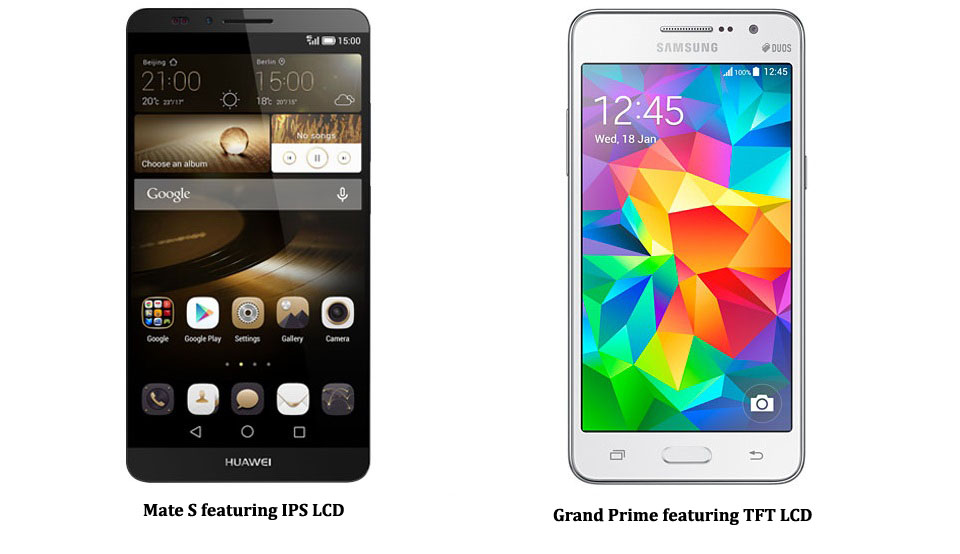
LCD stands for Liquid Crystal Display. It is one of the popular touch screen technology. LCD is made up of an array of liquid crystals which produce no light of their own but get illuminated by a back-light. LCD have two types which arei) TFT LCD:
TFT stands for Thin Film Transistor. This type of LCD uses Thin Film Transistor (TFT) technology to improve image quality. The color contrast and quality of TFT LCD is very improved than the normal LCD. TFT LCD is mostly used in budget smartphones.
The advantages of TFT LCD is low production cost and higher resolutions than few other LCD technology that’s why it is mostly used budget and low range smartphones. But TFT LCD consumes more energy and its color reproduction in sun light is quite disappointing due to low quality viewing angles.
ii) IPS LCD:
IPS stands for In-Plane Switching and it is another type of LCD. IPS LCD is better than the TFT LCD because it has wider viewing angles due to which color reproduction is consistent and accurate. It is also battery friendly as it consumes less power than the TFT LCD.
But the production cost of IPS LCD is higher, therefore it is mostly used in high end smartphones. The first 4k smartphone also features IPS LCD.
OLED:
OLED is also a type of display screen, OLED stands for Organic Light Emitting Diode. OLED display screen is made by placing thin films of organic (carbon based) materials between two conductors. When an electrical current is applied, a bright light is emitted. Since the OLED materials emit light, a backlight is not required.OLED display screens are brighter, more efficient and thinner. It is more flexible and consumes less power when darker colors are displayed. It has also higher refresh rates and contrast ratio. On the flip side, it has poor display in the sunlight due to no backlight. When brighter colors are displayed, it consumes more power, also its time span is shorter due to the use of organic material.
AMOLED:
AMOLED stands for Active Matrix Organic light-emitting Diode. It is a display technology, based on OLED, with some advancements in existing technology. AMOLED is an advanced display technology and due to its handy features, it is gaining popularity among the mobile manufacturers.AMOLED display screen have the features like brilliant color reproduction, higher brightness and sharpness and light weight designs. It is also energy efficient as it does not use backlight. As AMOLED displays are based on OLED technology, so they inherit few disadvantages like difficulty to view in direct sunlight, limited life span due to organic material and higher production cost.
Super AMOLED:
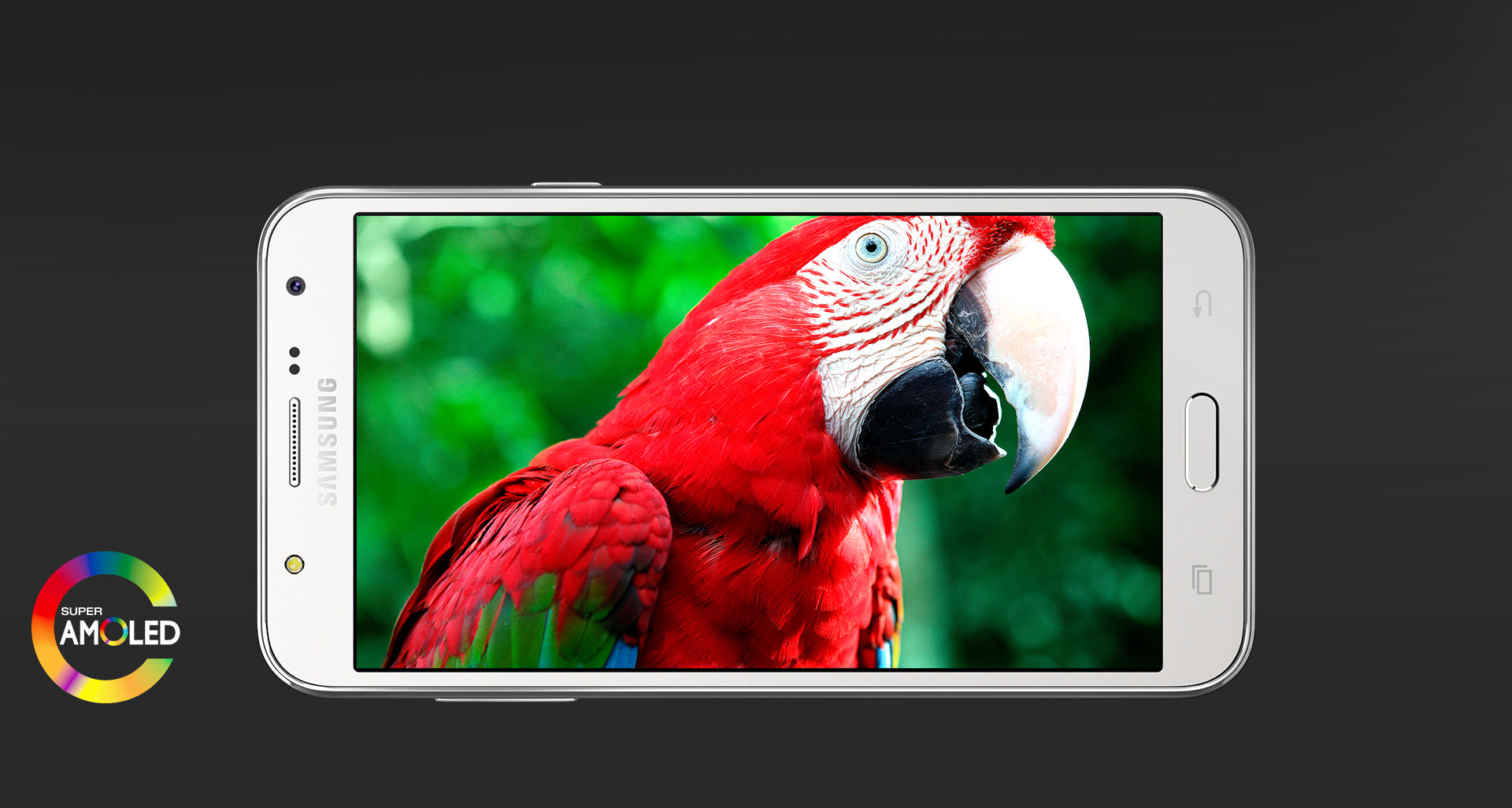
Super
AMOLED is the name given by Samsung to its advanced AMOLED displays. Super
AMOLED is superior to the simple AMOLED displays. One of the major improvement
is that it lessens the thickness of screen because Super AMOLED display integrate
the touch response layer with the display itself.Other advantages of Super AMOLED are that it is much more responsive and consumes less power than AMOLED display. Currently, Super AMOLED are one of the best display screen around in the smartphone industry.
Retina Display:
Retina Display is not a new type of display screen. In fact, this term is used by Apple for its products like iPhone, iPod, iMac. Retina Display is actually an advancement in LCD technology. The goal of Retina Displays is to make the display of text and images extremely crisp, so pixels are not individually visible to eye. Retina Display was first used in iPhone 4 and now all the Apple devices are using it. It has attractive image quality and contrast ratio.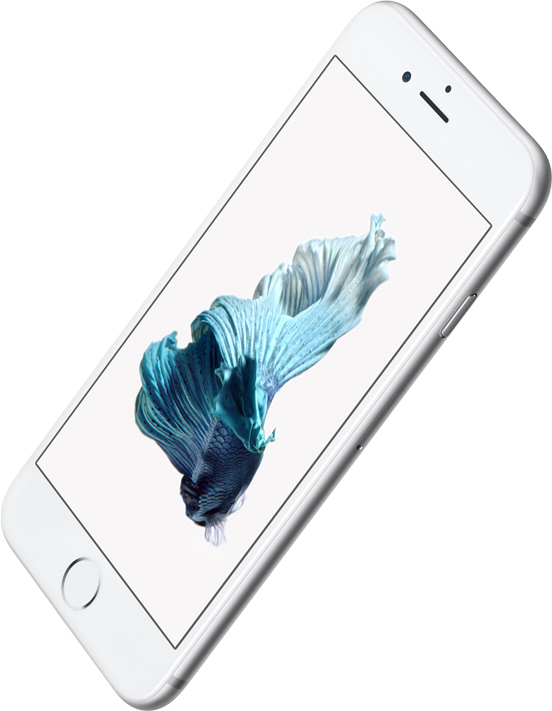
Types of Touch Screen According to Functionality:
Resistive Touchscreen:
A resistive touchscreen which works by detecting/sensing the pressure applied on the screen and work accordingly. It comprises several layers, the most important of which are two thin, transparent electrically-resistive layers. These layers face each other with a thin gap between. When fingertip or stylus tip presses down onto the outer surface, the inner surface connects to the bottom layer, due to the position of a pressure on the screen can be read.
A resistive touchscreen is not responsive as much as capacitive touchscreen, that’s why it is widely used in only low range smartphones, which have low resolution touch screens.
Capacitive Touchscreen:
A capacitive touchscreen panel consists of a layer of glass, coated with a transparent conductor such as indium tin oxide. As the human body is also an electrical conductor, touching the surface of the screen results in a distortion of the screen's electrostatic field, which is than detected by processor that acts accordingly.
Capacitive touchscreen is more responsive and works more efficiently than the resistive touchscreen. It is widely used in medium to high range smartphones.